
Andrew Chow
CSP, AI Transformation Speaker
I am amazed by how expansive your mind is for the global issues at risk, and how big your heart is in seeking improvement for the future of our next generation.

Executive workshop · Andrea T Edwards
Understanding interconnected global risks, systemic drivers, and how we respond
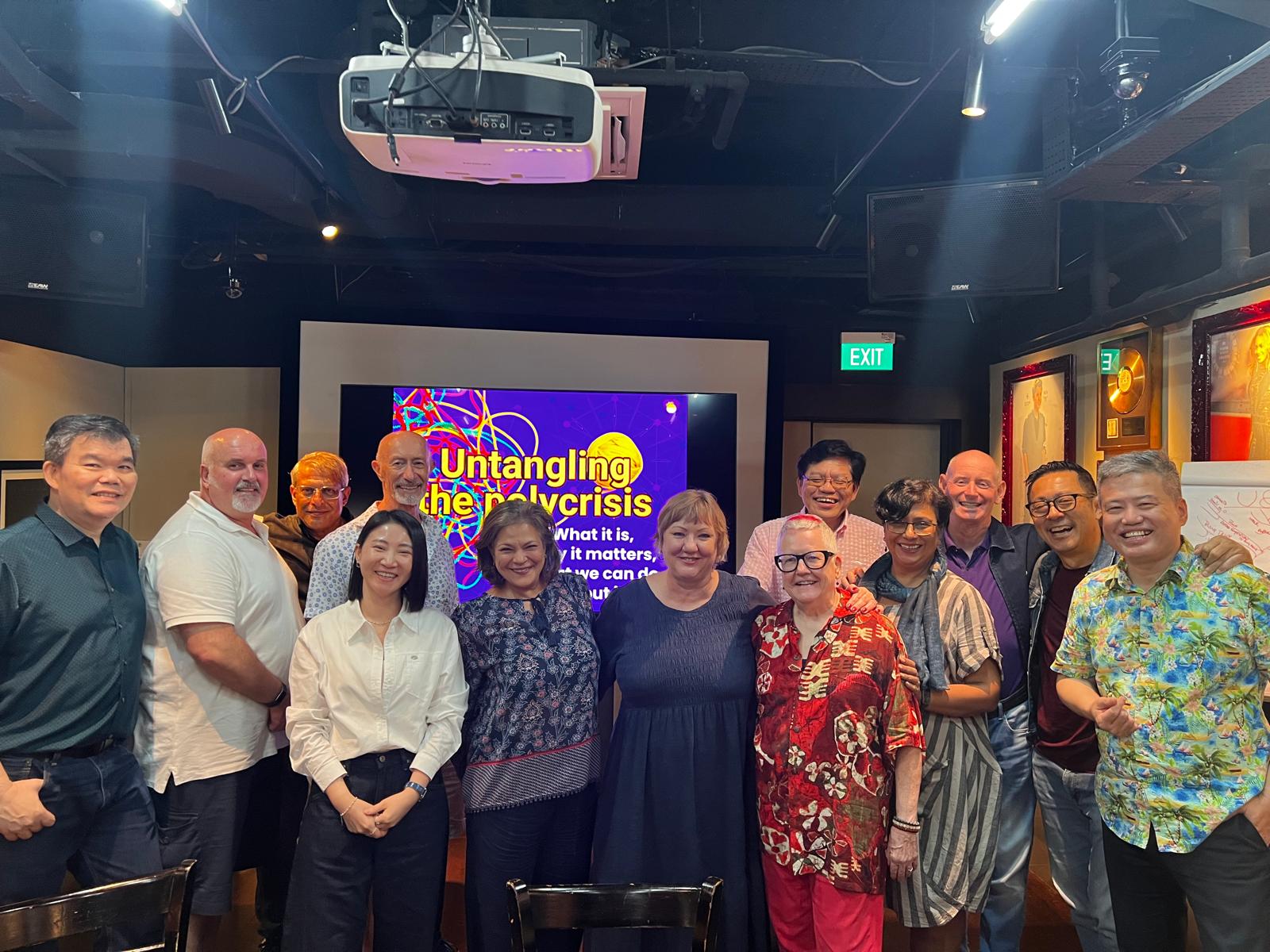
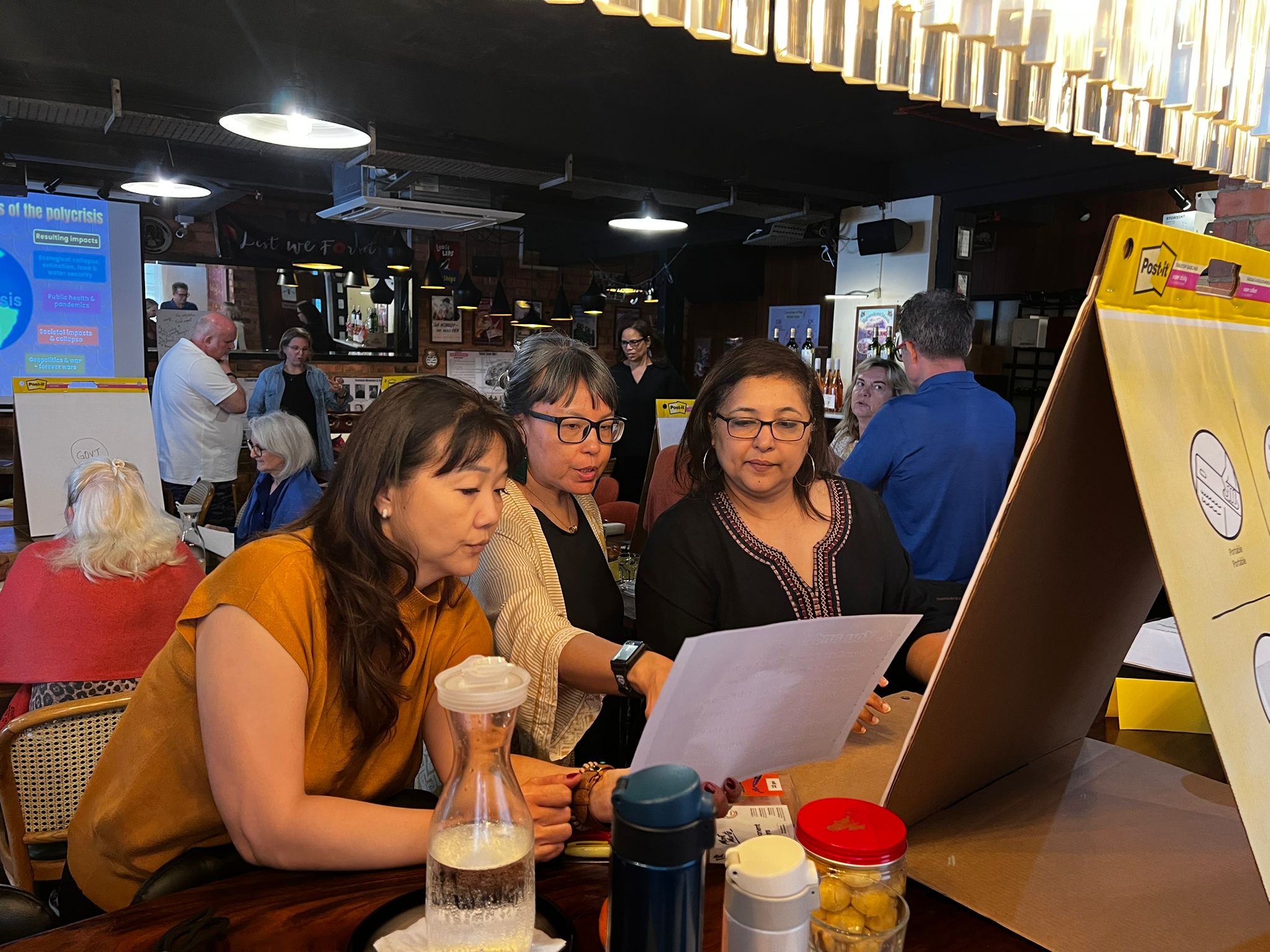
A room full of people thinking together, collaborating, challenging ideas, with hearts wide open
The world is in crisis. Most of us know it, but very few understand what's actually happening.
A full-day immersion for executives, teams and professionals who want to understand the real shape of today's challenges, not the edited version.
A practical path through an interconnected world
01 / Name the thing
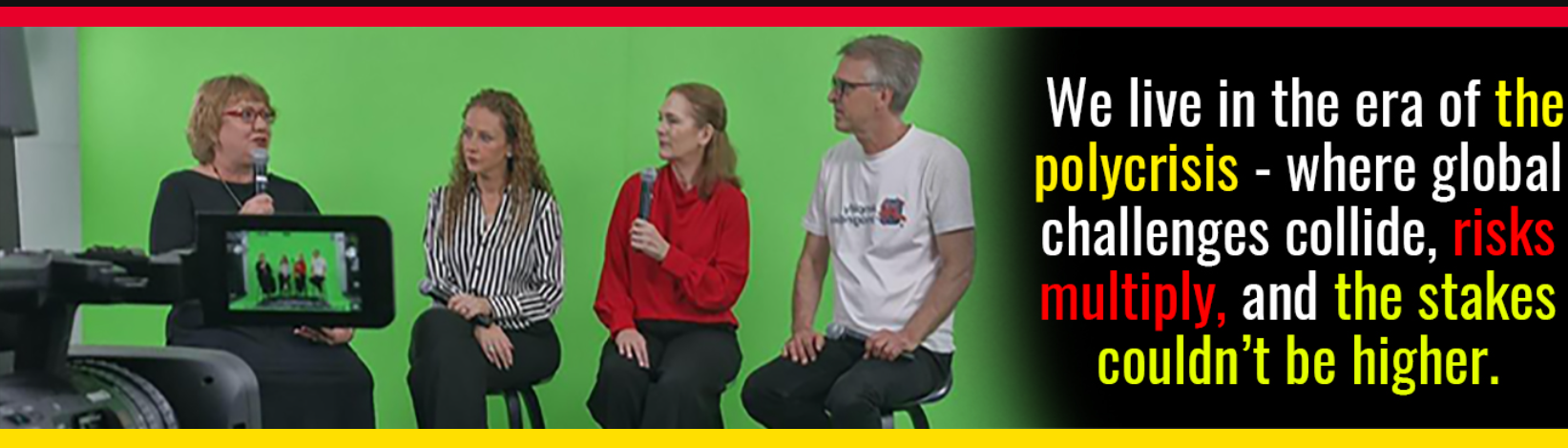
The polycrisis is not a single catastrophic event. It is a convergence of ecological, technological, economic, geopolitical and social pressures that reinforce and amplify each other, and accelerate together.
The term does something important. These crises interact through feedback loops and trigger cascading effects, producing harm far greater than the sum of their individual parts. Historian Adam Tooze brought the term to wider attention. The reality it describes is now visible everywhere: in supply chain fragility, political breakdown, ecological stress, AI disruption and the growing sense that no single fix is going to be enough.
We are not heading towards a crisis. We are already in one, and the leaders who understand that have a real advantage.
Andrew Chow
CSP, AI Transformation Speaker
I am amazed by how expansive your mind is for the global issues at risk, and how big your heart is in seeking improvement for the future of our next generation.
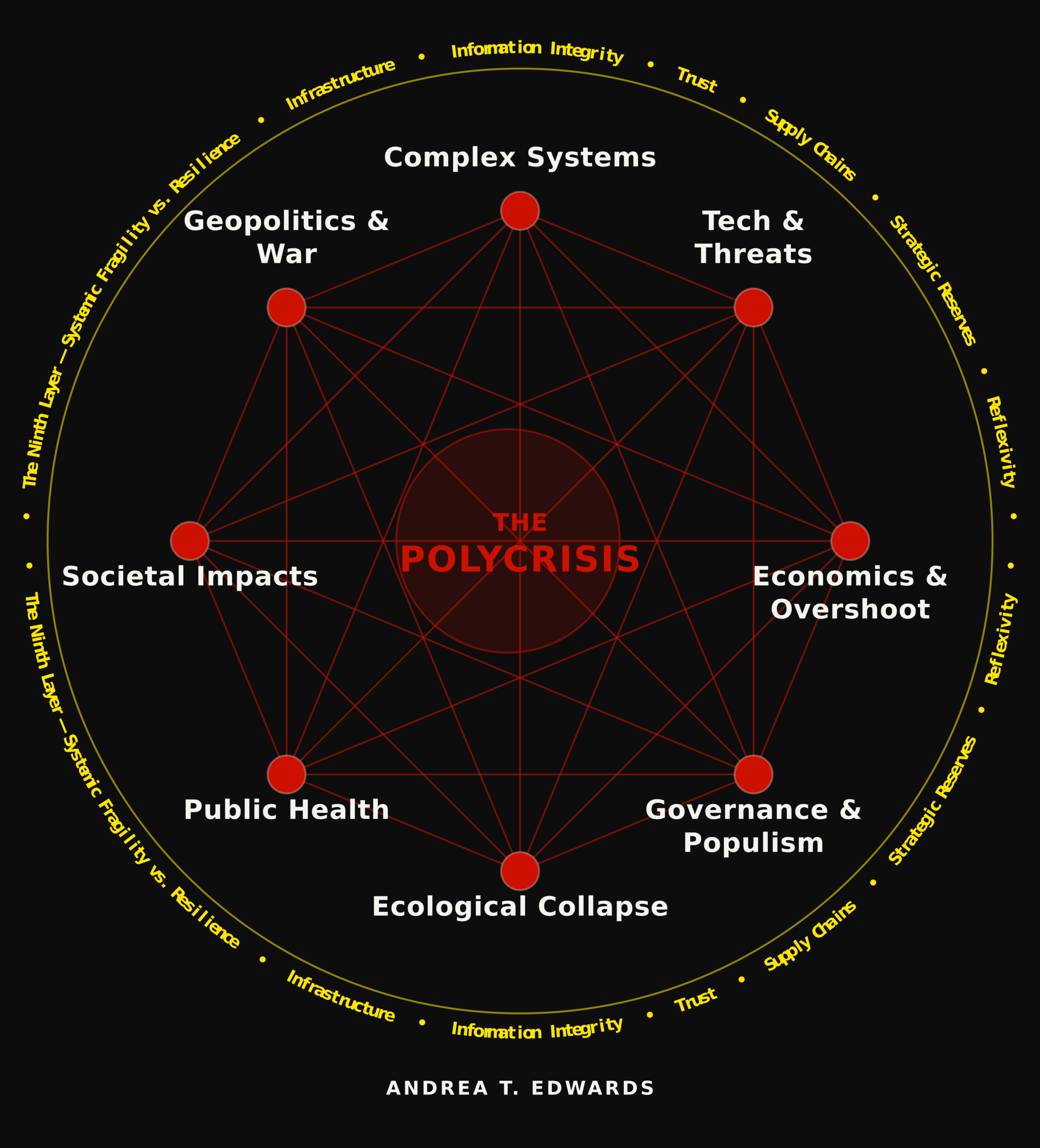
02 / 8 Categories of the Polycrisis™
Not because the world fits neatly into eight boxes, but because we need a way into a problem that is otherwise too large to hold in our heads.
The systemic layer
Eight entry points into the same fragile system. The systemic layer is where fragility becomes resilience: infrastructure, information integrity, trust, supply chains, strategic reserves and reflexivity.

Yina Han
CPCC, Leadership and Career Transition Coach, Asia
Such a necessary conversation. Thank you for creating a space where we could go deep and look the polycrisis in the eye without flinching. That's not something every room allows. Not just talking about it, but starting to be more conscious about the choices I make and the conversations I choose to have.
03 / Release the tension
The content is serious, the process participatory, and the goal is always the same.
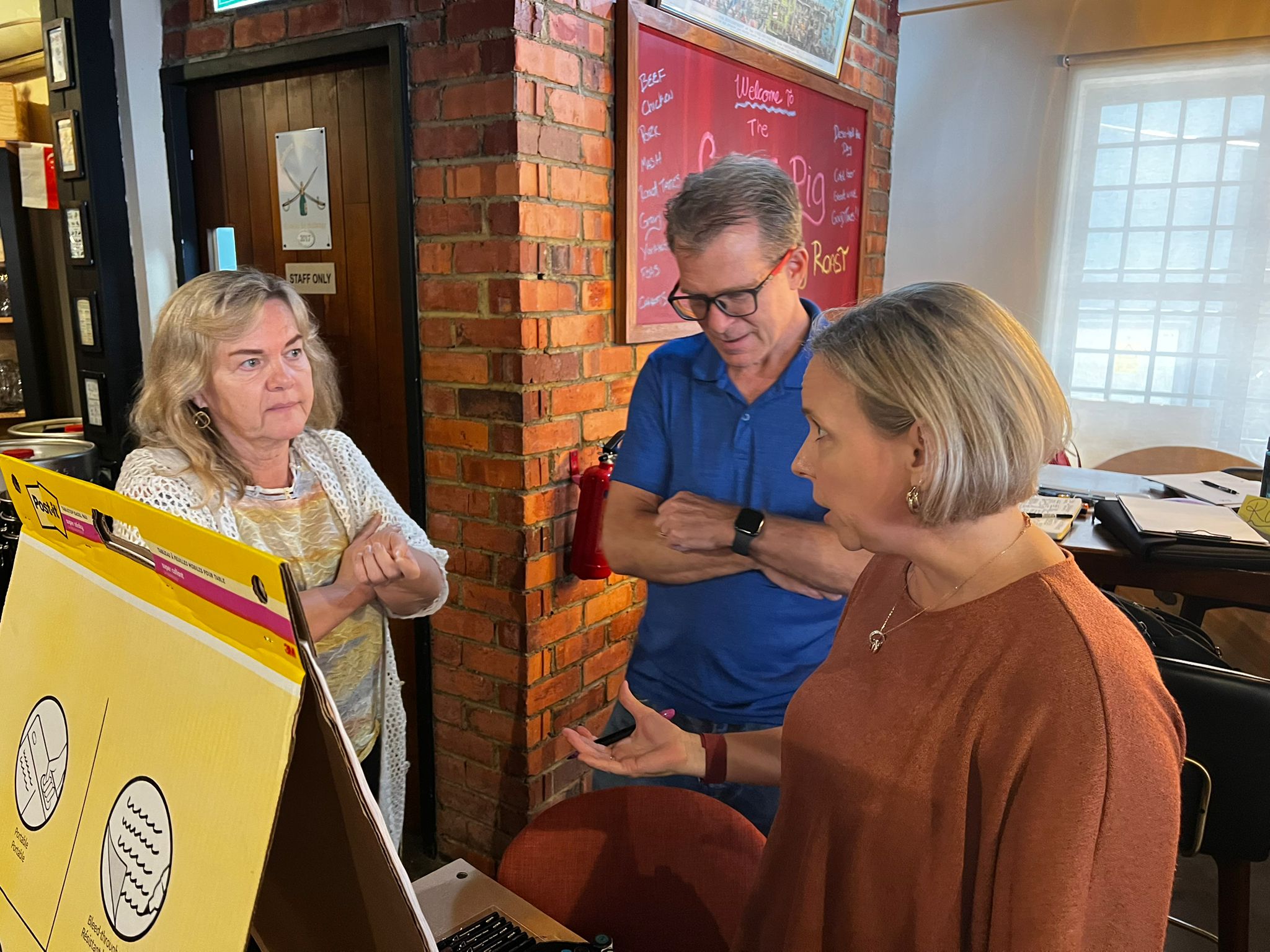
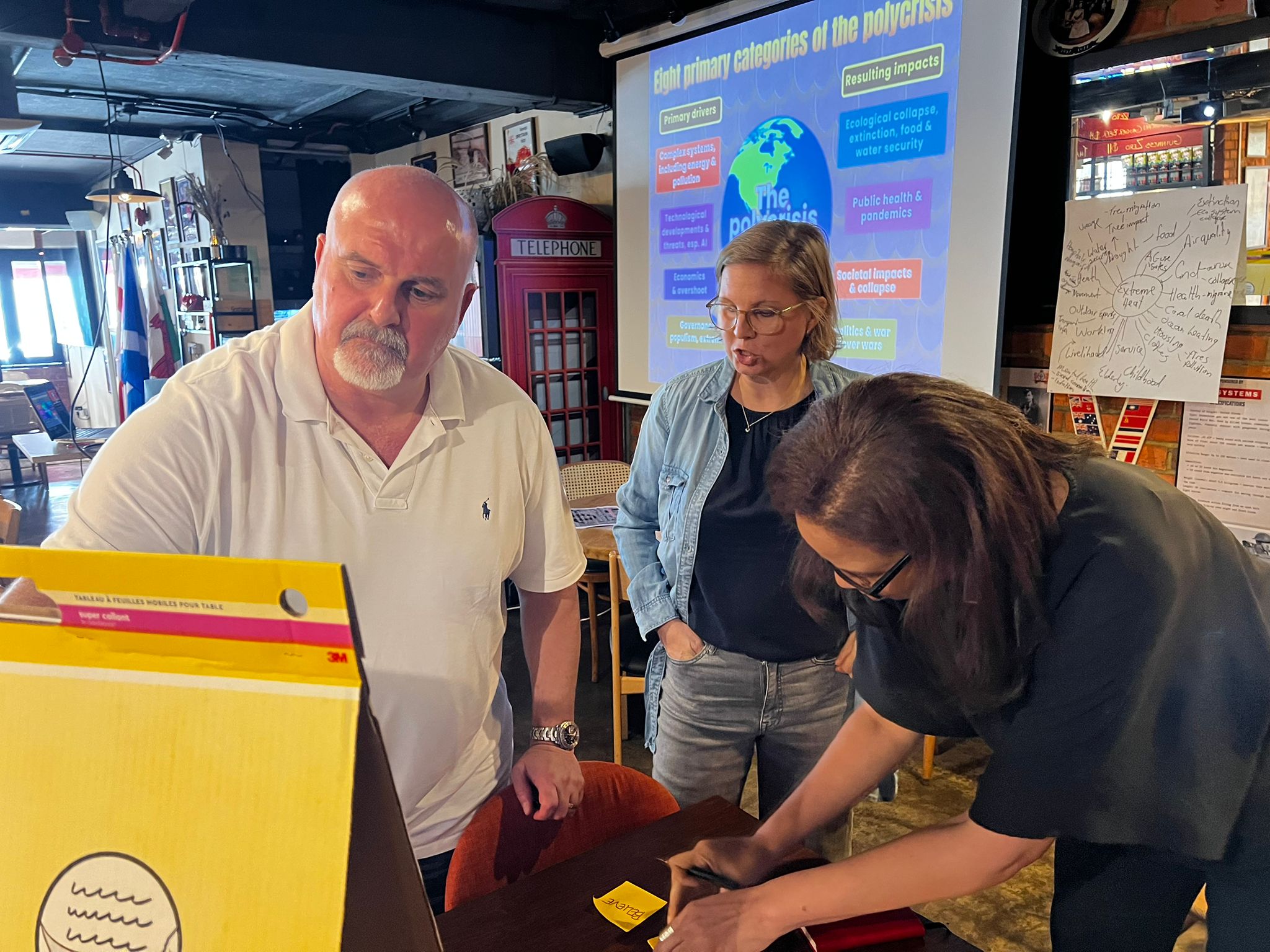
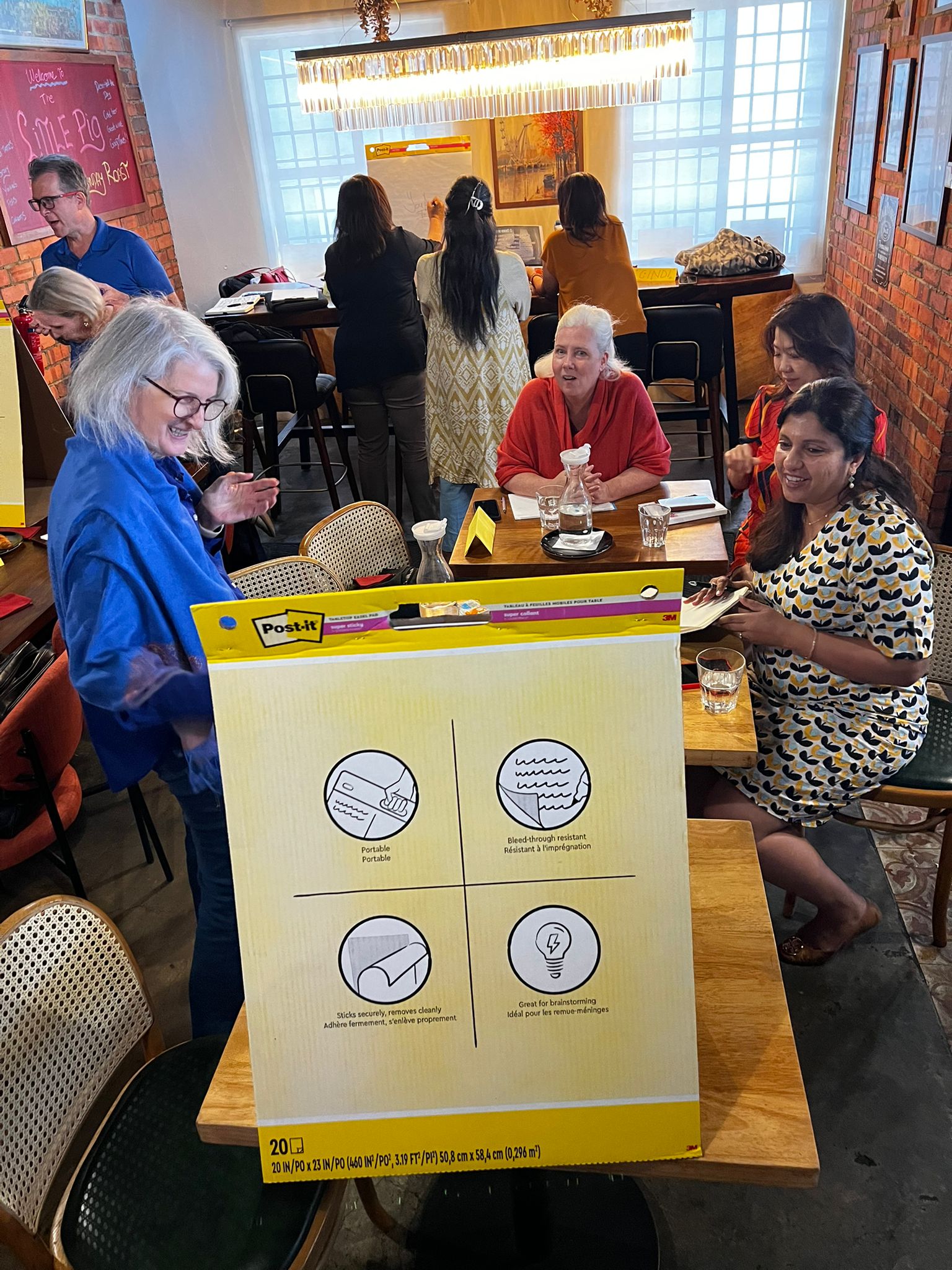
Understand the real shape of today's challenges. Ask difficult questions. Work out where you can act.
We go through all eight categories together, with interactive exercises, honest conversation and space for the complexity that leaders are carrying. The brainstorm breakout discusses changes needed by government, business, the media, social media and influences, as well as what we can all do to contribute to the necessary changes required for a liveable planet.
What you will learn
How to see the connections between seemingly unrelated challenges and understand why they matter together, not just in isolation.
How the polycrisis is already reshaping government, business, civil society, media and personal life, and how the scale of response required is far larger than most organisations have planned for.
Approaches for different organisational contexts, because there is no one-size-fits-all answer. What matters is working out where you can act.
Understanding where the intersection of disruption and necessity creates strategic possibilities for organisations willing to move early.
How to talk about complex, uncomfortable challenges with your stakeholders and teams, including where your organisation sits in the polycrisis communication matrix.
Concrete next steps for your organisation and your role. This is where we make it real.
Inside the room
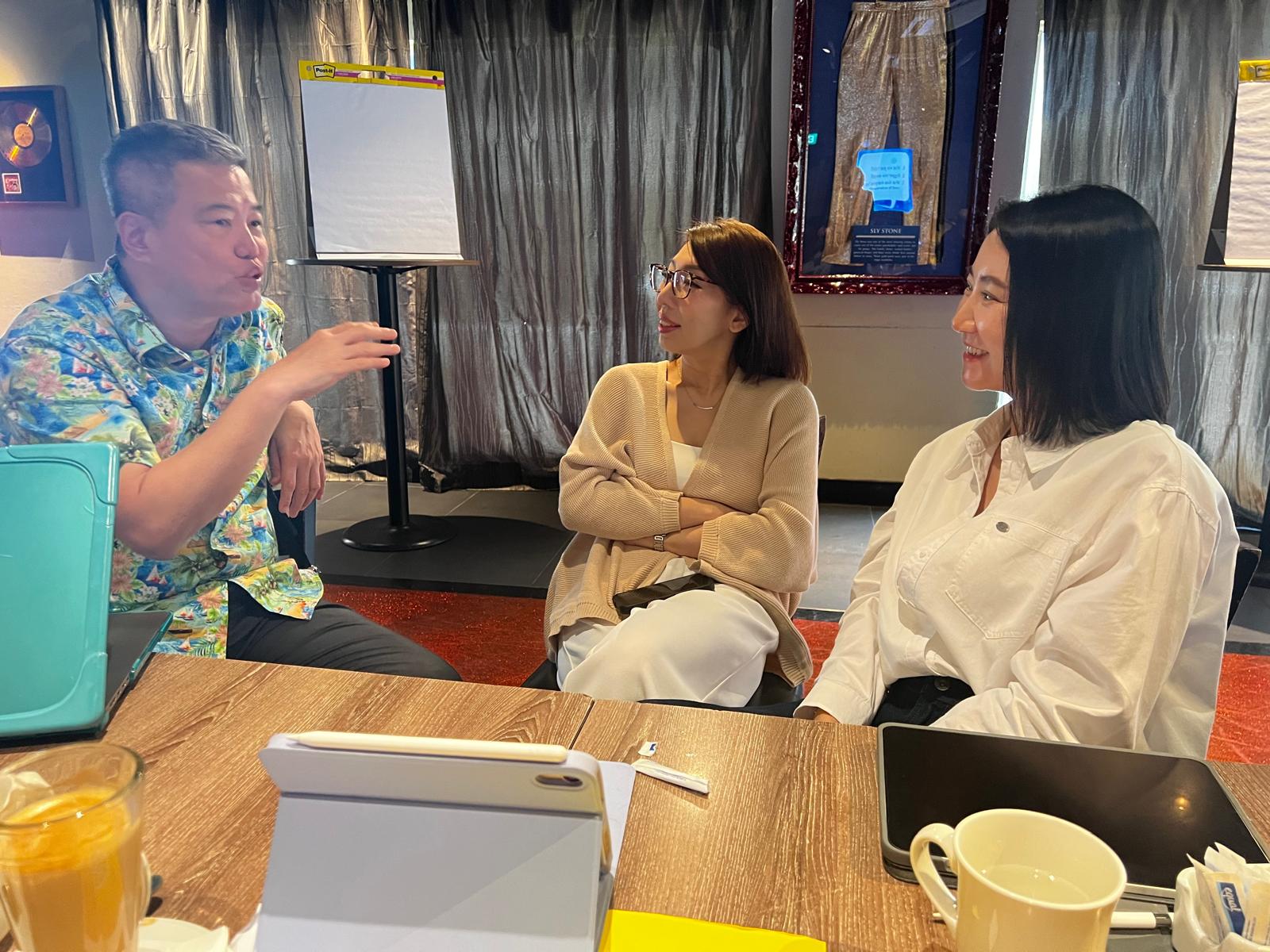
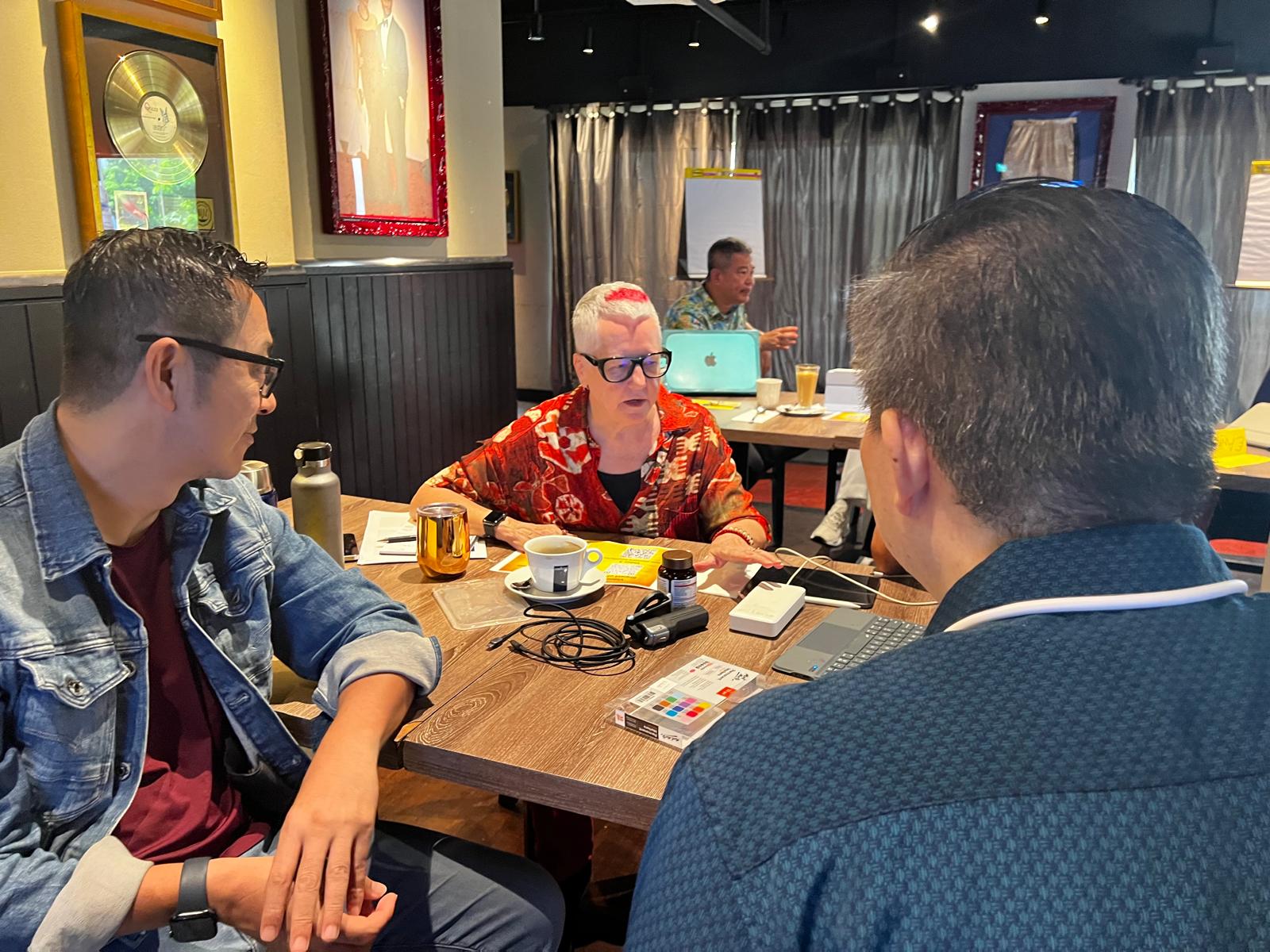
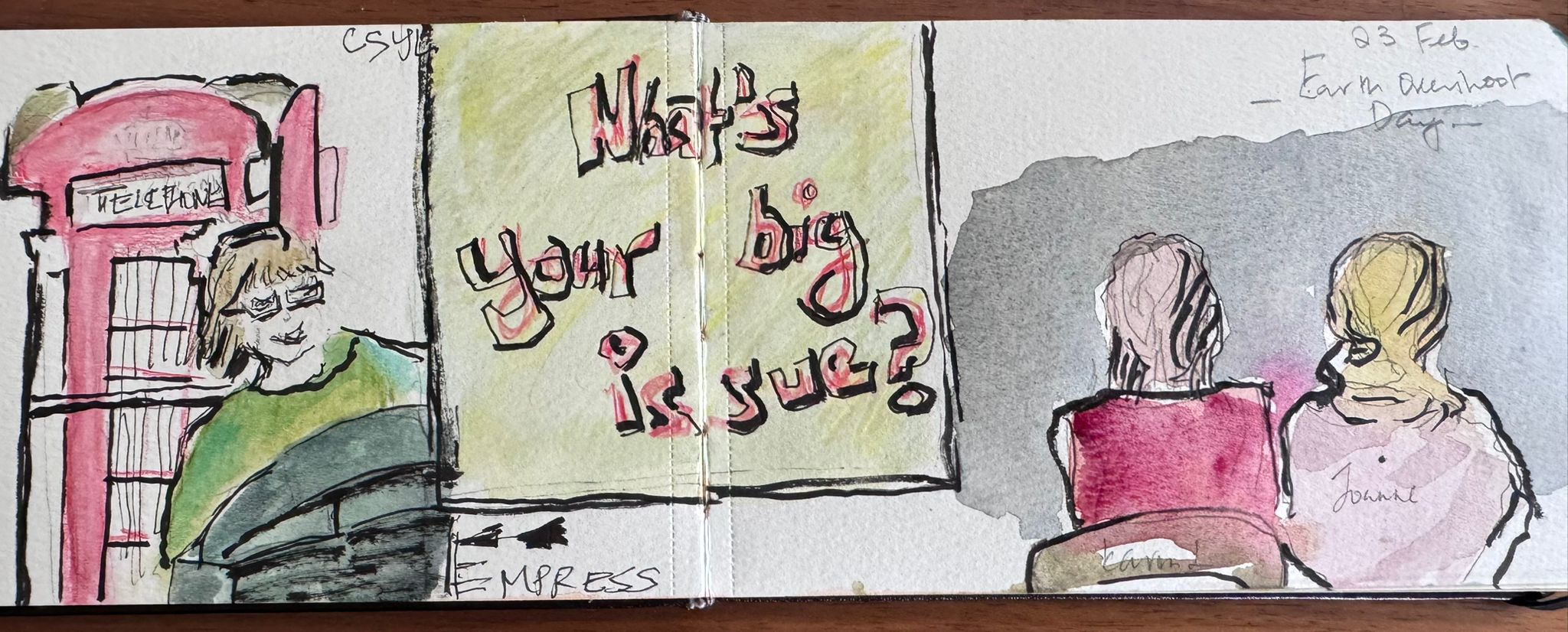
A documentary sequence of the work: ideas and frameworks presented, discussions encouraged, and brainstorms expand understanding, as we make sense of complexity together.




Heather Hansen
Accent Bias and Language Ethics Speaker, Thinkers50 Radar 2024
I am still thinking about so many of the things we discussed, and will be for a very long time.
04 / From the room
This is what happens when a room makes space for the complexity, then starts working out what to do with it.

Susan Prakasam
Senior Analyst Relations Manager Asia, Microsoft
The way you diligently navigated a myriad of global issues, then systematically broke down their impact and translated that complexity into clear, bite-sized ways we can each be part of the solution, was truly impressive.
Two ways to work together
A deep immersion for leadership teams or larger groups who want the full picture. We work through all eight categories, run interactive mapping and brainstorming exercises, break into sector-specific groups, and end with personal and organisational action planning. The full day is customised to your organisation’s context, with a maximum of 20 attendees. If you can give me two days, we can go deeper.
Who should attend
If you are responsible for decisions that will matter in five, 10 or 20 years, this is for you.

Kevin Cottam
The Global Nomad, Author of The Nomadic Mindset
A heart-stirring community converged to explore the polycrisis with our polymath Andrea. We connected, collaborated, and even challenged each other on the urgency of it all, and our agency at the individual and collective levels. In essence, we agreed on an actionable dream to touch one billion lives. Our Saturday wrapped, but our marathon continues.
Why act now
Yes, I know. AI is the priority. I hear it everywhere and in every conversation. But AI is one thread inside the polycrisis, sitting under the technology category.
When we continue to make AI the whole story, it allows organisations to ignore the rest of the picture until the rest of the picture forces itself on them. The window for proactive response is narrowing. The ones that wait will be reacting, which is always more expensive, damaging and harder to recover from.
The polycrisis advantage
Foresight. Anticipate cascading effects before competitors do.
Innovation. Identify opportunities at the intersection of disruption that others miss.
Resilience. Build adaptive capacity across multiple scenarios rather than planning for one.
Talent. Attract and retain purpose-driven people who want to work somewhere that takes the future seriously.
Trust. Demonstrate the authentic leadership stakeholders, employees and partners are actively looking for.
Final testimonial
Ready to work with Andrea?
When your leadership team is ready to understand the complexity of the polycrisis and how it impacts your business, reach out and we can work out if this is the right fit.
Book a consultation with Andrea
Tell Andrea what your team is navigating and start a practical conversation about the right workshop format.
Start the conversation →